How Crypto Casinos Are Fuelling a New Wave of Gambling Addiction in the UK: Warning Signs, Risks, and Where to Find Support in 2026
How Crypto Casinos Are Fuelling a New Wave of Gambling Addiction in the UK: Warning Signs, Risks, and Where to Find Support in 2026
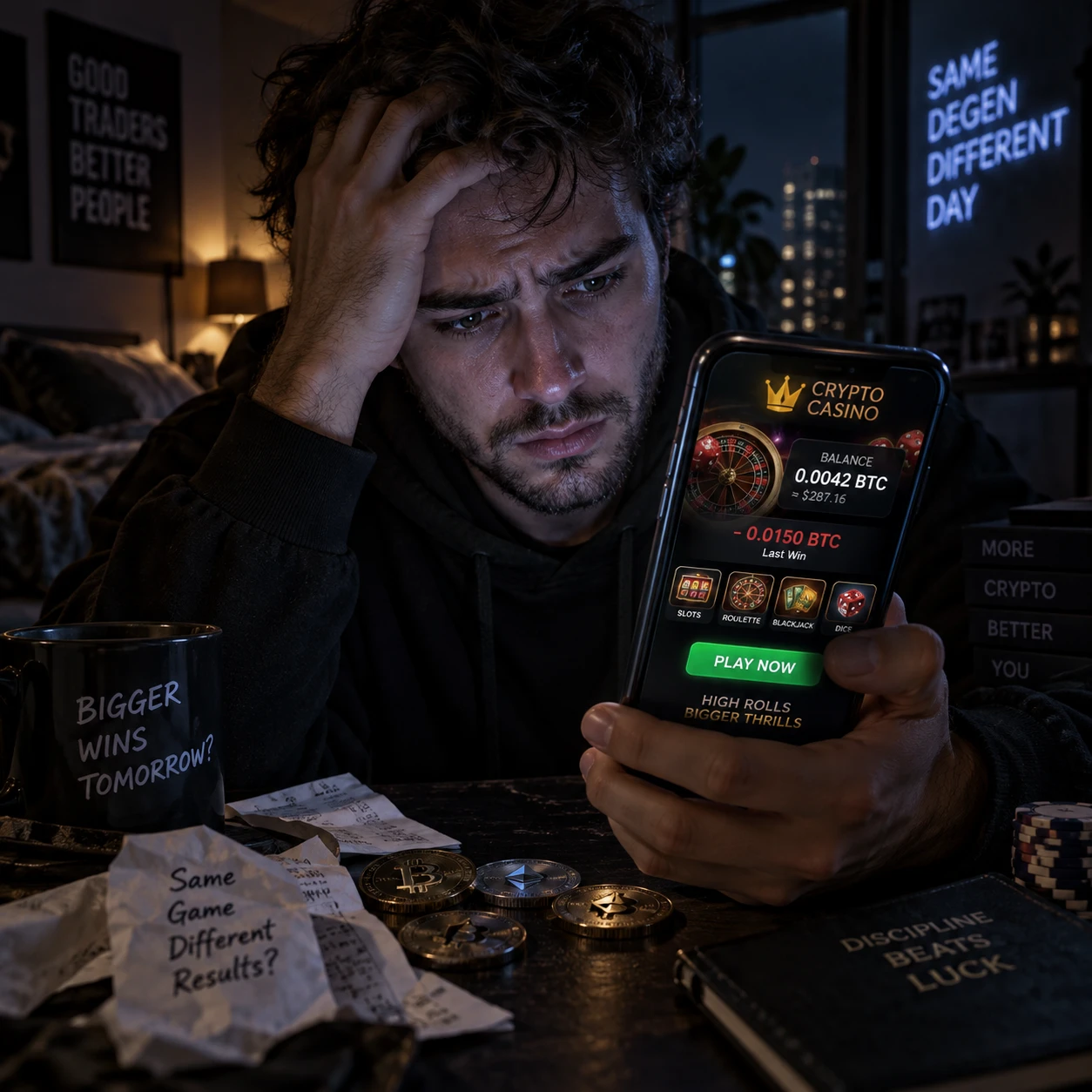
I've spent a fair bit of time over the past year talking to people affected by gambling harm, and something's shifted. It's not just fruit machines or late-night sports betting apps anymore. In 2026, the conversation has moved firmly towards crypto casinos — unregulated, borderless platforms where you gamble with Bitcoin, Ethereum, or a dozen other tokens without ever showing your face or your bank details. And honestly? The stories I'm hearing now are more alarming than anything I came across with conventional online betting.
This piece is my attempt to unpack what's actually happening. Why crypto gambling has exploded in the UK. What makes it so much more dangerous than traditional platforms. The warning signs that something's gone wrong. And — this part matters most — where people can actually go for help. Because help does exist, even if it's harder to find than the casinos themselves.
What Are Crypto Casinos — and Why Are They Different?
Crypto casinos work much like any other online gambling site, except deposits and withdrawals happen entirely in cryptocurrency. You connect a wallet, send some crypto, and you're playing slots, roulette, or crash games within minutes. No bank card. No identity verification in a lot of cases. No paper trail that a bank or family member could easily spot.
That's precisely the appeal — and precisely the problem. Most of these platforms are registered offshore, often in jurisdictions like Curaçao with minimal oversight, so they sit entirely outside the UK Gambling Commission's remit. That means none of the consumer protections built into licensed UK betting sites apply here. No requirement for affordability checks. No mandatory self-exclusion scheme. No obligation to flag risky behaviour at all.
The Rise of Crypto Gambling in the UK
The growth has been staggering, honestly. Industry trackers have noted a sharp uptick in UK traffic to crypto gambling platforms since 2026, with younger users — particularly men aged 18 to 34 — making up the bulk of new accounts. A lot of this traction comes straight from social media. Streamers on platforms like Kick and TikTok openly showcase crypto slot sessions, often sponsored, making the whole thing look glamorous and consequence-free. Influencer promo codes and 'sign-up bonuses' paid in crypto have turned into a genuine onramp into problem gambling, for people who might never have walked into a bookmaker's shop in their life.
The Hidden Dangers of Anonymous Crypto Betting
Anonymity sounds appealing until you realise what it actually removes. On a regulated UK betting site, you can set deposit limits, take a time-out, or self-exclude. On most crypto casinos? None of that infrastructure exists. There's no customer support team checking in when your losses spike. No automatic flag when you've deposited five times in one evening.
There's a psychological trick at play too. Because crypto values fluctuate constantly, losses can feel oddly abstract — 'I didn't really lose £200, I lost 0.003 ETH, and that might go back up.' This framing delays the moment someone recognises they're in trouble. Which only deepens the hole they're digging.
Why Traditional Safeguards Don't Apply
Tools like GAMSTOP, the UK's national self-exclusion scheme, work brilliantly for licensed operators — but they have zero authority over offshore crypto casinos. Bank-imposed gambling blocks, which plenty of UK banks now offer, can be bypassed entirely too. Someone buys crypto through an exchange first, then gambles with it, and the bank only ever sees a crypto purchase, not a betting transaction. It's a loophole being exploited at scale. Regulation, frankly, hasn't caught up yet, and I'm not convinced it will any time soon.
Recognising the Warning Signs of Problem Gambling
Because these platforms operate so quietly, the warning signs tend to show up in behaviour rather than bank statements. Some of the most common red flags I've heard described, over and over:
- Chasing losses by increasing bet sizes or switching to higher-volatility games
- Secrecy around crypto wallets, exchange apps, or multiple devices
- Borrowing money or selling possessions without clear explanation
- Noticeable mood swings tied to wins or losses
- Neglecting work, relationships, or basic responsibilities
- Spending increasing hours on betting apps, often late at night
If you recognise two or three of these in yourself or someone close to you — take it seriously. Don't brush it off as 'just a phase.'

The Real-World Impact — Financial and Emotional Toll
The fallout from crypto gambling addiction tends to hit harder and faster than traditional gambling harm. Partly it's the sheer speed of transactions. Partly it's crypto's volatility doing the damage. A win can feel euphoric enough to justify doubling down, while a loss can trigger a desperate attempt to 'win it back' before the price moves again. This cycle accelerates debt a lot quicker than a typical betting shop habit ever could.
Beyond the financial strain, I've heard about relationship breakdowns, anxiety, insomnia, and a creeping sense of shame that keeps people from asking for help, more times than I can count now. Many describe feeling trapped between embarrassment and compulsion — knowing full well the behaviour's harmful, but struggling to stop without support.
Taking Back Control — Steps Toward Recovery
Recovery usually starts with one honest admission: that something's gone beyond your control. From there, practical steps matter more than big declarations. Removing crypto exchange apps from your phone. Revoking wallet connections to gambling sites. Telling a trusted person what's been going on — that alone can create immediate friction against relapse. Peer support groups, in-person and online, offer a space to talk without judgement, which matters more than people expect going in.
Why Personalised Coaching Matters
What I've come to understand, though, is that addiction recovery isn't one-size-fits-all. Especially not with something as new and psychologically distinct as crypto gambling. The triggers around anonymous, round-the-clock crypto casinos are different from those tied to a betting shop, or even a traditional betting app. Tailored, one-to-one life coaching can help pinpoint the specific patterns driving someone's behaviour — whether it's boredom, financial anxiety, or chasing a dopamine hit — and build a realistic plan to rebuild both financial discipline and emotional resilience over time, rather than leaning on willpower alone and hoping it holds.
Where to Find Support in the UK (2026 Resources)
The good news is that support infrastructure in the UK, while still catching up with crypto-specific harm, remains solid. Some trusted starting points include:
- GamCare — free, confidential advice and the National Gambling Helpline (0808 8020 133)
- GAMSTOP — self-exclusion for UK-licensed sites, useful alongside other crypto-specific blocking tools
- NHS Gambling Clinics — specialist treatment for more severe cases, available through GP referral
- Gamblers Anonymous UK — peer-led support meetings across the country and online
- Private life coaching services, such as Side by Side Coaching, for ongoing, personalised accountability once the immediate crisis has passed
Combining crisis-focused services with longer-term coaching tends to produce the most sustainable results. The former handles urgent stabilisation. The latter addresses the day-to-day habits that actually keep people on track once the initial panic fades.
Conclusion
Crypto casinos represent a genuinely new category of gambling risk in the UK — faster, more anonymous, and largely unpoliced compared to the regulated platforms most of us grew up with. That combination is proving dangerous, particularly for younger users drawn in through social media feeds they scroll without thinking twice. But recognising the warning signs early, understanding why traditional safeguards fall short here, and knowing where to turn for both immediate crisis support and longer-term personalised coaching — that can make a real difference. If any of this has struck a chord, don't wait to reach out. Whether that's a helpline call tonight or booking a first coaching session next week, taking that first step is how control starts coming back.