How to Choose a Safe and Legitimate Crypto Casino in the UK: A 2026 Player's Guide to Licensing, Security, and Fair Play
How to Choose a Safe and Legitimate Crypto Casino in the UK: A 2026 Player's Guide to Licensing, Security, and Fair Play
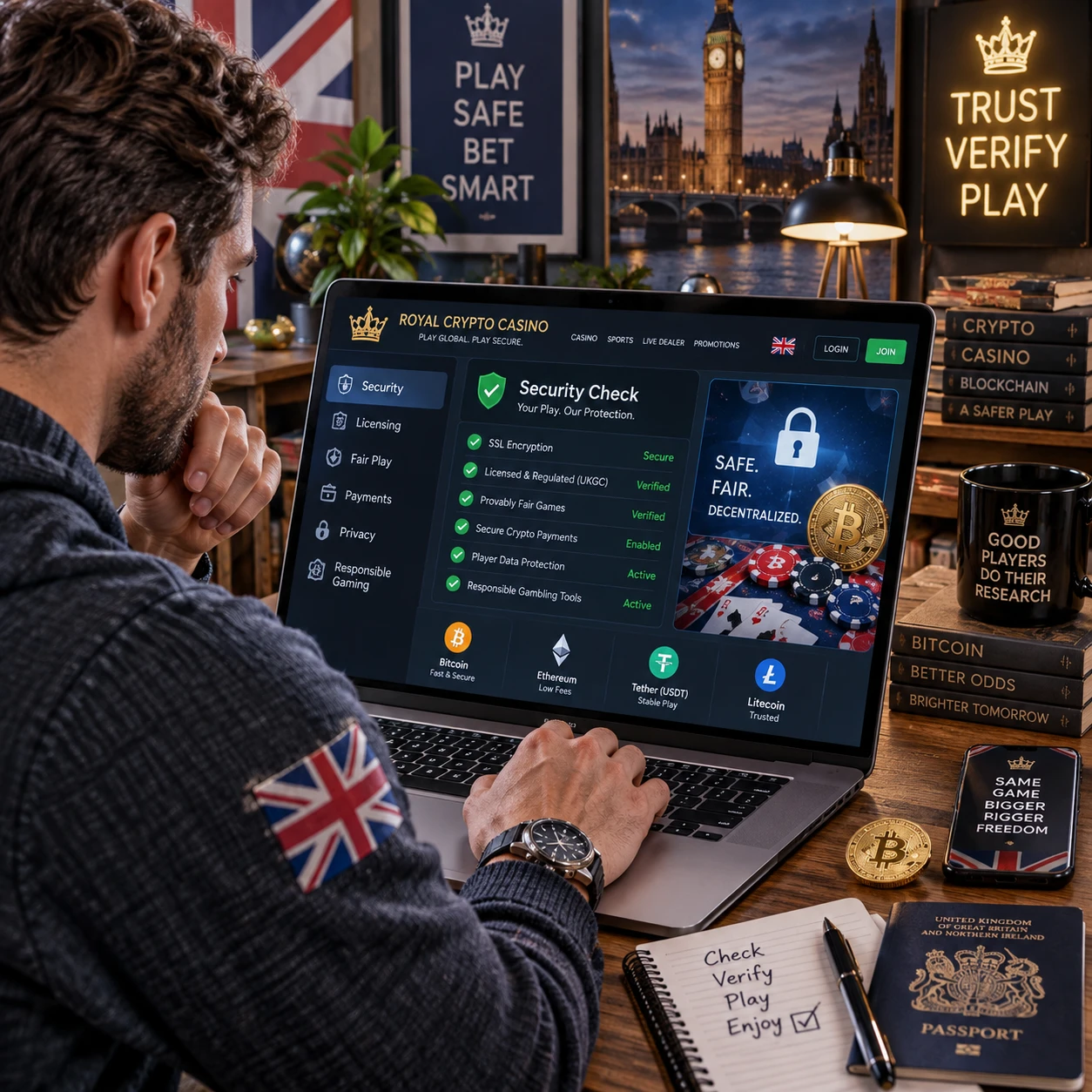
I've watched the UK gambling scene shift fast over the past couple of years, and nothing's moved quicker than the rise of crypto casinos. More players than ever like the idea of dropping in Bitcoin or Ethereum and watching withdrawals land in their wallet within minutes instead of days. There's also the privacy angle — handing over a wallet address feels different than handing your debit card to yet another gambling site. But here's the catch: the exact things that make crypto casinos appealing (speed, decentralisation, pseudonymity) are the same things that attract shady operators who'll vanish with your funds the second something goes wrong. In this guide, I'll walk you through what to check before you deposit a single satoshi — licensing, security, fair play — so you can gamble with some actual confidence in 2026.
What Makes a Crypto Casino Different From Traditional Online Casinos?
At its core, a crypto casino swaps traditional fiat payment rails for blockchain-based transactions. Instead of linking a debit card or doing a bank transfer, you deposit using Bitcoin, Ethereum, or increasingly popular stablecoins like USDT. Transactions get verified on-chain rather than through a payment processor, which usually means faster withdrawals and noticeably lower fees than you'd get on a conventional UK gambling site. Some platforms even run provably fair games entirely on smart contracts — a level of transparency standard RNG software just can't match.
Common Payment Methods and Wallet Requirements
Most reputable crypto casinos take a mix of Bitcoin, Ethereum, Litecoin, and stablecoins. To get started you'll need a personal crypto wallet — something like MetaMask, Trust Wallet, or a hardware wallet if you're sitting on bigger amounts. The process itself is simple enough: buy crypto on an exchange, move it to your wallet, send it to the casino's deposit address. Always double-check that address before you confirm anything, since blockchain transfers can't be reversed once they're sent. And honestly? Test with a small deposit first. Make sure everything processes cleanly before you commit anything larger.
Why Licensing Matters for UK Crypto Casino Players
This is where things get serious. The UK Gambling Commission (UKGC) regulates gambling activity for UK residents, and while crypto gambling sits in something of a grey area, legitimate operators serving British players typically hold a UKGC licence — or, failing that, a licence from a reputable offshore regulator like the Malta Gaming Authority (MGA) or the Curaçao Gaming Control Board. Without proper licensing, you've got essentially zero legal recourse if a dispute comes up over a withheld withdrawal or a disputed bonus. I can't stress this enough: licensing isn't a formality. It's your only real protection if things go sideways.
How to Verify a License Quickly
Checking a licence doesn't take long once you know where to look. Scroll to the footer of the casino's site and look for a licence number, usually sitting next to a regulator's logo. Then take that number and cross-reference it directly on the UKGC's public register, or on the relevant regulator's own verification page. Fake badges are more common than you'd think, so don't just trust the logo — always confirm the number matches an active, valid licence tied to that specific operator.
Security Features Every Safe Crypto Casino Should Have
Beyond licensing, security infrastructure tells you a lot about how seriously an operator takes player protection. Look for SSL encryption across the entire site — not just the login page — plus two-factor authentication (2FA) for account access, and cold wallet storage for the bulk of user funds rather than keeping everything in a hot wallet that's vulnerable to hacks. Provably fair technology is another big plus. It lets you independently verify that a game's outcome wasn't manipulated, using cryptographic hashes you can check against the result after the fact.
Red Flags of Untrustworthy Crypto Casinos
Over time I've learned to spot the warning signs pretty fast. Missing or vague licence information. Bonus offers that sound too good to be true — think 500% match bonuses with no wagering caps attached. No visible customer support contact. A pile of negative reviews stacking up on Reddit or Trustpilot. All of that's worth taking seriously.
Withdrawal delays are another classic tell. If players are consistently complaining about weeks-long waits for payouts, steer clear — that pattern rarely improves. For comparison, a transparent operator like crypto casino lays out its licensing and security credentials right on the homepage, which gives you an easy benchmark when you're sizing up less forthcoming sites.
Evaluating Fair Play and Game Integrity
Fair play isn't just a buzzword — it's measurable. Legitimate crypto casinos use certified Random Number Generators (RNGs) audited by independent testing labs like eCOGRA or iTech Labs. These third parties verify that outcomes are statistically random and haven't been tampered with to favour the house beyond the stated odds. Provably fair algorithms take it a step further, letting players cryptographically verify each individual bet result — something traditional online casinos simply can't offer.
How to Check a Game's Fairness Yourself
Most crypto casinos running provably fair systems include a verification tool right on the game interface. Typically you'll see a seed hash before the round starts, then after the result drops you plug that seed into a verification tool to confirm it matches the pre-committed hash. Takes maybe thirty seconds once you get the hang of it. And it's genuinely satisfying — confirming for yourself that a game wasn't rigged hits different than just taking a site's word for it.
Responsible Gambling Tools and UK Player Protections
Even though crypto casinos sit outside traditional banking, the reputable ones still take responsible gambling seriously. Look for deposit limits, self-exclusion options tied to schemes like GAMSTOP, and solid age verification during sign-up. Support organisations like GamCare offer free advice and tools for anyone concerned about their gambling habits — and a trustworthy crypto casino should make those resources easy to find, not buried three pages deep in fine print.
Step-by-Step Checklist Before Signing Up
- Verify the casino holds a valid licence from the UKGC, MGA, or Curaçao, and confirm it on the regulator's public register
- Check for SSL encryption, 2FA, and cold wallet storage details
- Look for provably fair technology or third-party audits from eCOGRA/iTech Labs
- Read independent reviews on Trustpilot and gambling forums before depositing
- Test customer support responsiveness with a quick question before committing funds
- Confirm withdrawal limits, processing times, and terms attached to any bonuses
Choosing a safe crypto casino in the UK really comes down to doing your homework before you ever hit that deposit button. Licensing tells you who's accountable. Security features tell you how your funds are actually protected. Fair play verification tells you whether the games themselves can be trusted. Run through the checklist above, trust the indicators I've covered here, and you'll put yourself in a far stronger position to enjoy crypto gambling in 2026 without the nasty surprises that come with cutting corners.